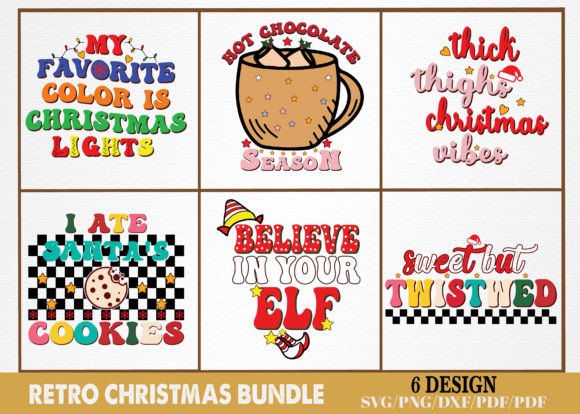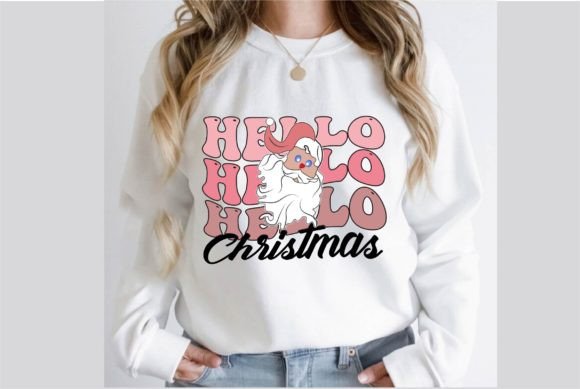
Hello Hello Hello Christmas Retro Design Review
As a designer who spends more time behind an embroidery machine than at a desk, I approach every new graphic with a healthy dose of skepticism. We have all downloaded files that look stunning on screen but turn into thread nests or unreadable messes once stitched out. When evaluating the Hello Hello Hello Christmas Retro Design, my primary focus is not just its nostalgic aesthetic, but its structural integrity as a machine embroidery design. This review breaks down how this specific artwork translates from digital pixels to physical stitches, specifically for makers running a craft business or creating high-quality holiday gifts.
Capturing the Retro Vibe Without Losing Clarity
The first thing that strikes me about this design is the typography. Retro lettering often relies on texture and flow, which can be tricky in embroidery. The "Hello Hello Hello" repetition suggests a rhythmic, stacked layout that naturally lends itself to vertical spacing on garments. Visually, it evokes a mid-century warmth that customers currently love. However, from a production standpoint, I am immediately looking at the negative space between those letters. In many retro graphics, designers leave gaps too tight for satin columns, resulting in fabric puckering.
This design appears to respect the necessary breathing room required for clean stitching. The mood is playful yet structured, making it an excellent candidate for sweatshirt embroidery where the fabric has enough weight to support decorative stitching without distorting. It feels like a design meant to be the centerpiece of a garment rather than a subtle accent, commanding attention while maintaining that cozy, handmade charm essential for any successful Etsy seller listing.
Real-World Application: The Holiday Sweatshirt Test
To truly judge this asset, I mentally placed it in a real production scenario: preparing a batch of unisex crewneck sweatshirts for a holiday pop-up shop. This is a classic use case for T-Shirt Designs adapted for heavier fleece. The challenge here is always balancing visual impact with wearability. A dense, heavy design on a soft sweatshirt can create a "bulletproof vest" effect that ruins the drape of the garment.
The Hello Hello Hello Christmas Retro Design seems optimized to avoid this pitfall. Its layout allows for strategic use of fill stitches versus satin stitches. If I were hooping this today, I would pair it with a cutaway stabilizer to manage the stretch of the fleece. The retro style likely incorporates elements that work beautifully as either direct embroidery or an applique design. If you choose to convert parts of the lettering to applique, you significantly reduce stitch count and increase comfort, which is a massive selling point for custom apparel. For my hypothetical pop-up, this design offers the versatility to be produced quickly without sacrificing that premium, boutique feel that justifies a higher price point.
Navigating Fabric Choices and Hoop Limitations
While this graphic shines on stable knits, caution is required when venturing into other territories. As an experienced reviewer, I must emphasize that retro designs with intricate serifs or distressed textures do not always forgive mistakes on difficult fabrics.
- Stretchy and Thin Fabrics: Avoid using this design on lightweight jersey or performance wear unless you are using a heavy-duty tear-away or wash-away stabilizer combination. The density required to make retro text legible can overwhelm thin material.
- Textured Surfaces: On terry cloth towels or nubby linen, fine details in the "Hello" script may get lost. You may need to add a topping stabilizer or slightly thicken the running stitch outlines during digitizing to ensure the design pops against the fabric texture.
- Curved Items: Be wary of placing this wide, stacked design on caps. The curvature of a hat brim can distort horizontal alignment. This graphic is best suited for flat hoops on tote bags, pillow covers, or chest placements.
- Small Hoop Sizes: Scaling down retro text is risky. If your hoop size forces you to shrink the design below 4 inches wide, verify that the inner counters of the letters remain open. Tiny text turns into thread blobs faster than any other design flaw.
Technical Assets and Production Workflow
A major advantage of this product is the inclusion of vector source files. Receiving 📂 AI, 📂 PDF, 📂 SVG, and 📂 EPS formats alongside standard raster images is a game-changer for professional embroiderers. Why does this matter? Because no embroidery file is universally perfect for every machine or fabric. Having the vector source allows you to re-digitize or modify the artwork to suit your specific needs without tracing over a pixelated JPG.
The included print-ready PNG and JPG files at 4500×5400 pixels (300 DPI) serve a dual purpose. First, they act as a high-quality reference for color matching thread colors. Second, they are invaluable for creating printable mockups. Before I even thread my needle, I can overlay this high-res image onto a digital sweatshirt template to show clients exactly what the finished product will look like. This step alone increases conversion rates for digital product sellers and custom order inquiries because it builds buyer confidence through professional presentation.
Ensuring Quality in Every Stitch Out
Even with excellent source files, the transition from Graphics to thread requires diligence. Here are my non-negotiable checks before running this design on a final product:
- Test on Scrap Fabric: Never assume the digitizer’s settings match your machine’s tension. Run a test stitch-out on the exact fabric you intend to use for the final project.
- Verify Licensing: While this review focuses on technical application, always confirm the license terms included in the instructions folder. Ensure you have the right to sell finished personalized gifts or commercial items derived from this design.
- Check Contrast: Retro designs often rely on tonal variation. Test the design in black and white on your machine screen. If the design disappears or looks muddy without color, it may lack sufficient definition for low-contrast thread combinations.
- Stabilizer Selection: Match your stabilizer to the end-use. A tea towel needs wash-away backing; a baby bib might need soft mesh cutaway to prevent scratching sensitive skin.
- Mockup Validation: Use the provided high-res assets to create realistic previews. Accurate mockups reduce returns and set proper expectations for holiday embroidery orders.
Final Verdict for Makers and Sellers
The Hello Hello Hello Christmas Retro Design stands out as a versatile asset for the serious maker. It balances trendy aesthetics with practical considerations for embroidery production. Whether you are creating a signature tote bag design for your shop, stitching up baby embroidery for a holiday gift, or expanding your catalog of commercial embroidery offerings, this design provides a solid foundation.
Its strength lies in its adaptability. By leveraging the included vector files and high-resolution rasters, you maintain control over the final output quality. Just remember that successful embroidery is a partnership between good art and smart technique. Respect the fabric, test your tension, and utilize the comprehensive file formats provided. When executed correctly, this design delivers the kind of polished, nostalgic charm that turns casual browsers into loyal customers and makes every handmade product feel truly special.