Groovy Style T-Shirt Design: An Embroidery Review
As a professional embroidery designer and product reviewer, I approach every new graphic asset with a critical eye. When evaluating the Groovy Style T Shirt Design, my first thought isn't just about how it looks on a screen, but how it will translate through the needle. This design captures a distinct retro aesthetic that is currently dominating the handmade market, but visual appeal is only half the battle. For Etsy sellers, apparel decorators, and craft business owners, the true test lies in stitchability, fabric compatibility, and final product value. After analyzing the layout and vector structure of this graphics package, here is my practical assessment for real-world embroidery projects.
Capturing the Retro Vibe Through Stitch
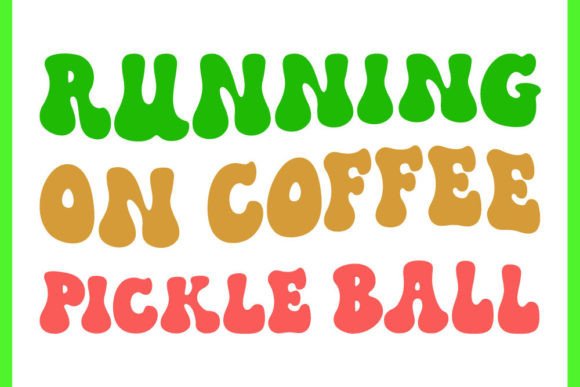
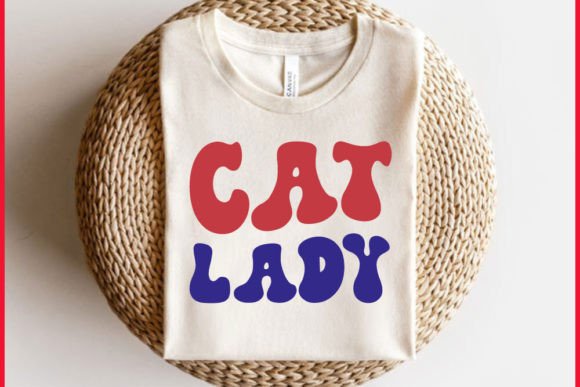
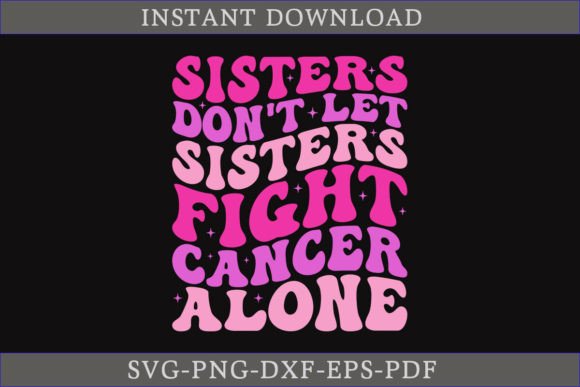
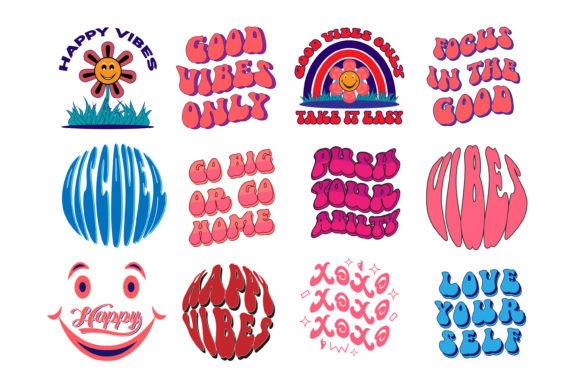
The immediate strength of the Groovy Style T Shirt Design is its bold, fluid typography and nostalgic color palette. From a digitizing perspective, these organic shapes are excellent candidates for both satin stitch outlines and fill stitch interiors. The "groovy" aesthetic relies heavily on smooth curves rather than sharp angles, which actually benefits machine embroidery. Sharp corners can sometimes cause thread buildup or registration issues, whereas the flowing lines in this design allow for smoother needle travel and less tension stress on the fabric.
When I look at this design, I see immediate potential for custom apparel beyond just standard tees. The visual weight is balanced enough to serve as a centerpiece on a sweatshirt embroidery project without looking top-heavy. For those creating personalized gifts or boutique merchandise, the mood this design evokes is playful yet polished. It avoids the amateurish look that some retro fonts suffer from, making it suitable for commercial embroidery where brand consistency and professionalism matter. The included SVG and EPS files suggest clean vector lines, which is crucial when importing into digitizing software to create a high-quality digital embroidery file.
Real-World Application: The Custom Tote Bag Test
To truly evaluate this asset, I mentally applied it to a recent client request: a series of canvas tote bags for a local vintage market vendor. Canvas is a textured fabric that can swallow fine details, so design choice is paramount. The Groovy Style T Shirt Design works exceptionally well here because the lettering appears substantial. Thin, spindly retro fonts often get lost in the weave of canvas or denim, but this design has enough width to accommodate a proper underlay and top stitching.
In this scenario, I would utilize the easy color change feature mentioned in the product details. While the original palette is likely vibrant, adapting thread colors to match specific brand aesthetics or seasonal trends is vital for any small shop product. For the tote bag, I might swap bright oranges for muted terracottas to fit an autumn collection. Because the design is provided in multiple formats including PDF and PNG, creating a printable mockup to show the client before stitching is seamless. This step builds customer trust and ensures the finished product aligns with their vision. The versatility of this graphics pack means I can use the same base design for a matching embroidered patch or even a coordinating tea towel, maximizing the return on investment for my design assets.
Navigating Fabric Challenges and Hoop Sizes
While the Groovy Style T Shirt Design is versatile, experienced makers know that not all fabrics behave equally. If you plan to use this for baby embroidery or lightweight knits, caution is required. Retro designs can sometimes be stitch-dense due to overlapping fill areas. On stretchy fabric like jersey or ribbed knit, this density can cause puckering if the stabilizer isn't adequate. I always recommend testing on scrap fabric first, especially when working with dark fabric where contrast threads might show through lighter fill stitches.
Hoop size is another practical consideration. Before purchasing or digitizing, confirm the dimensions against your machine’s capabilities. If you are resizing this design for a cap or sleeve cuff, ensure the intricate curves of the groovy font don't distort. Vector files (EPS/SVG) handle resizing better than raster images, but you must still check stitch density after scaling. For curved surfaces like caps, the horizontal span of this design might need adjustment to prevent flagging or misalignment. Always inspect small details and tiny lettering elements; if they are too small for a standard satin stitch column, they may need to be converted to running stitch or removed entirely to maintain clarity in the finished product.
Technical Notes for Professional Results
For fellow embroidery designers and creative entrepreneurs, technical preparation is what separates hobbyist results from professional goods. Here are my specific recommendations when working with this T-shirt design:
- Verify File Compatibility: While the listing includes SVG, EPS, PNG, and PDF files, these are primarily graphic formats. Ensure you have the appropriate digitizing software to convert these into a machine embroidery design format (like PES, DST, or JEF) compatible with your specific equipment.
- Stabilizer Selection: Given the likely fill stitch areas in a groovy style graphic, use a cut-away stabilizer for stretchy garments and a heavy tear-away for stable fabrics like denim or canvas to prevent distortion.
- Thread Color Contrast: Test your thread colors against the fabric background. Retro designs often rely on high contrast. Use black and white mockups to verify that the values read clearly before committing to expensive specialty threads.
- Licensing Check: Before selling finished items or using this as part of a digital product bundle, review the specific license terms. Confirm whether commercial embroidery use is permitted and if there are limitations on the number of physical products sold.
- Density Adjustment: If converting from vector to stitch file manually, adjust the stitch density based on fabric texture. Reduce density for plush fabrics to prevent sinking and increase underlay for stability on slippery materials.
Elevating Product Value and Buyer Engagement
Ultimately, the Groovy Style T Shirt Design is more than just a pretty graphic; it is a tool for business growth when used correctly. In the saturated market of Etsy sellers and handmade shop owners, presentation is everything. Using the included PNG files to create high-quality digital product previews helps buyers visualize the outcome. However, nothing sells a handmade product like a photo of actual stitching. The clean lines and trendy aesthetic of this design photograph beautifully, enhancing perceived value.
For those offering holiday embroidery or seasonal collections, this design adapts easily. Change the thread colors to pastels for spring, warm tones for fall, or metallics for festive occasions. This adaptability makes it a staple asset for any craft business inventory. Whether you are producing custom apparel for a corporate event, designing nursery decor, or stocking your own boutique, the key is respecting the relationship between the digital art and the physical medium. By paying attention to stabilizer, hoop size, and fabric choice, you ensure that the Groovy Style T Shirt Design translates from a screen-friendly graphic into a durable, beautiful embroidered piece that customers will cherish.