Christmas Baking Crew Retro Svg: Graphics & T-Shirt Designs
Evaluating Nostalgic Appeal for a Holiday Brand Identity
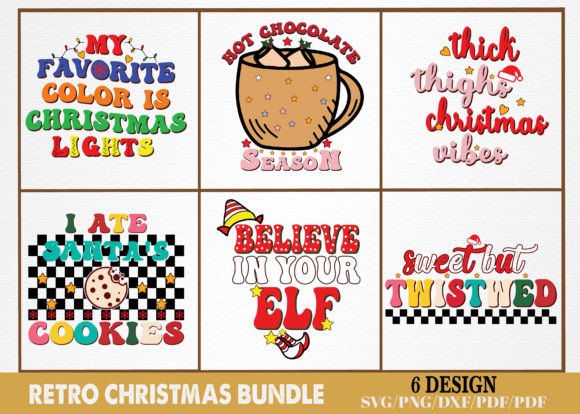
When reviewing the Christmas Baking Crew Retro Svg for a recent client project, my primary focus was assessing whether this specific graphic design asset could bridge the gap between vintage nostalgia and modern commercial viability. The client, a small business owner launching a seasonal line of artisanal cookie mixes and baking accessories, needed visual assets that felt authentic rather than manufactured. Upon first inspection, this SVG design immediately establishes a warm, communal atmosphere. The retro typography and illustrative elements evoke mid-century holiday aesthetics, creating an instant emotional connection with audiences who value tradition and handmade quality. For designers working in the creative marketplace, finding clipart or illustration files that avoid looking generic is a constant challenge, but this asset possesses a distinct character that suggests it was crafted with intentional stylistic choices rather than auto-traced from low-resolution sources.
The mood created by this digital product is decidedly cozy and inclusive. It does not scream "corporate holiday sale"; instead, it whispers "family kitchen." This distinction is critical when developing brand identity for handmade businesses or Etsy shops where trust and authenticity are the primary currencies. As a professional evaluating this for real-world application, I found the visual weight balanced well. It avoids the cluttered chaos often found in budget design bundles, offering clean lines that remain legible even when scaled down for product labels or social media graphics. For content creators and marketers, this level of visual clarity is essential for maintaining engagement across diverse platforms without losing the intricate details that give retro designs their charm.
Performance Across Merchandise and Print-on-Demand Applications
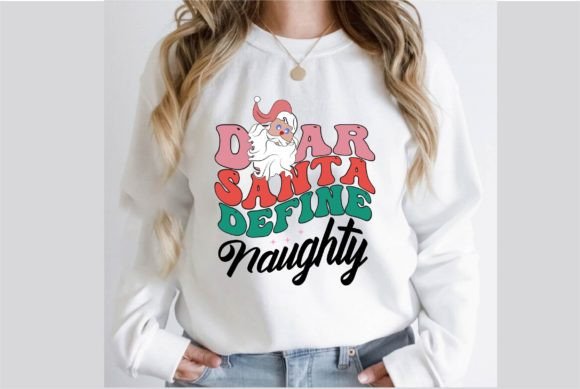
In practical testing for t-shirt designs, the Christmas Baking Crew Retro Svg demonstrated excellent versatility. As an instant download cutting file compatible with many different cutting software machines like Cricut and Silhouette, the vector paths appeared optimized for vinyl weeding. During a test cut on heat transfer vinyl, the interior negative spaces held up without tearing, which is a common failure point in lesser-quality SVG designs. For print-on-demand sellers focusing on apparel, this reliability reduces production waste and ensures a professional finish on the final garment. The design’s composition allows it to sit comfortably on the chest area of a sweatshirt or centered on a tee without feeling top-heavy or unbalanced.
Beyond apparel, this graphic excels in packaging design and printable design contexts. When applied to kraft paper bags and glass jar labels for the client’s cookie mix line, the retro aesthetic reinforced the product's artisanal positioning. The design works particularly well as a hero graphic on website banners and Pinterest pins, where vertical space allows the full illustration to breathe. For sublimation design projects, such as ceramic mugs or tote bags, the color separation within the file facilitates easy recoloring to match specific brand palettes. This adaptability makes it a high-value asset for digital sellers who need to create cohesive collections across multiple product types without purchasing separate licenses for each variation. The ability to manipulate layers in vector software means you can isolate specific elements for use as decorative accents on greeting cards or stickers, maximizing the ROI of this single creative design asset.
Strategic Placement and Visual Hierarchy Considerations
While the Christmas Baking Crew Retro Svg is robust, professional judgment dictates knowing where it thrives and where it struggles. This asset performs best in large layout areas where its retro details can be appreciated. It serves as an effective anchor for marketing visuals, editorial design spreads, and Canva templates intended for holiday promotions. However, designers must exercise caution when utilizing this graphic at very small sizes, such as on business cards or tiny product tags. The intricate nature of retro lettering and illustrative flourishes can become muddy when reduced below two inches in width. In these instances, the visual hierarchy suffers, and the design loses its impact.
Furthermore, this asset requires careful pairing in minimalist branding contexts. Its strong personality demands supporting elements that complement rather than compete. Placing this busy retro illustration against a complex background pattern or alongside heavy display fonts creates visual noise that undermines professionalism. For corporate materials or ultra-modern web design projects, this graphic may feel out of place unless used ironically or as a deliberate stylistic juxtaposition. Designers should also verify contrast ratios rigorously; retro colors often have lower saturation, which can fail accessibility standards on digital screens if not adjusted. Always preview the design on both light and dark backgrounds to ensure readability remains intact, especially when using it for social media posts where users scroll quickly and attention spans are fleeting.
Technical Due Diligence for Commercial Design Projects
Before integrating the Christmas Baking Crew Retro Svg into any commercial design workflow, thorough technical vetting is non-negotiable. My standard protocol involves opening the file in Adobe Illustrator or Affinity Designer to inspect node count and path integrity. A clean SVG should have smooth curves and minimal anchor points; excessive nodes can cause jagged edges during printing or cutting. I also recommend testing the PNG version for transparency quality. Some design assets include white halos or pixelated edges around transparent areas, which ruins the illusion on colored merchandise. If the included PNG design lacks crisp edges, take the time to re-export from the vector source or use masking tools to clean it up before sending files to production.
Licensing verification is perhaps the most critical step for small business branding and digital sellers. Confirm that the commercial license covers your specific use case, whether that is physical product sales, digital template distribution, or print-on-demand fulfillment. Never assume usage rights based on product descriptions alone. Additionally, test the design in black and white to evaluate its structural strength. If the design relies entirely on color to convey form, it will fail in single-color applications like embroidery or one-color screen printing. Compare the retro typeface against modern sans serif and script font pairings to establish a flexible typographic system. Finally, always produce a physical prototype or high-fidelity mockup before launching. Screen rendering differs significantly from ink on fabric or paper, and catching color shifts or sizing issues early protects your brand’s reputation and prevents costly reprints. By treating this graphic design asset with professional scrutiny, you transform a simple holiday decoration into a strategic tool for building lasting customer connections and driving seasonal revenue.