All I Need is My Camera and Coffee: T-Shirt Graphics Review
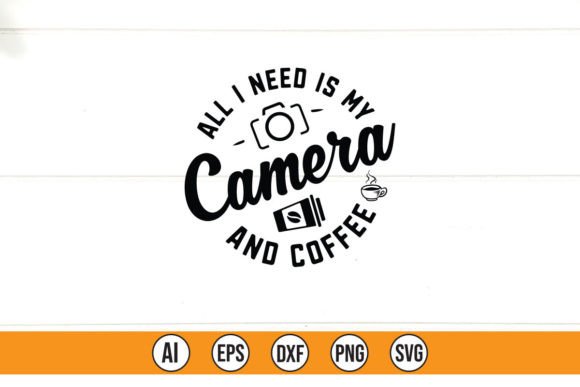
When evaluating a new graphic design asset for a client project, my first question is always about versatility. As a professional designer managing branding for small businesses and content creators, I cannot rely on assets that only work in one specific context. Recently, while developing a visual identity and merchandise line for a boutique photography workshop, I tested the "All I Need is My Camera and Coffee" design bundle. The immediate impression was one of relatable warmth and niche specificity. It captures a distinct lifestyle aesthetic that resonates deeply with photographers, bloggers, and creative entrepreneurs. The typography feels handcrafted yet legible, striking a balance between casual approachability and professional polish. For a handmade business or an Etsy product launch targeting creatives, this mood is essential. It does not feel like generic clipart; it feels like a curated piece of brand storytelling.
Evaluating Versatility Across Print and Digital Mediums
In a real-world client scenario, an asset must perform across multiple touchpoints. For this photography workshop project, we needed cohesive marketing visuals that spanned from physical merchandise to digital ads. This design bundle proved robust in testing. As a t-shirt design, the composition sits naturally on the chest or back print area without feeling top-heavy. The inclusion of high-resolution PNG files at 300 dpi ensured that the edges remained crisp during direct-to-garment printing. Beyond apparel, the asset translated effectively into social media graphics. When placed over textured paper backgrounds or solid brand colors for Instagram posts and Pinterest pins, the transparent background allowed for seamless integration without awkward white boxes disrupting the visual flow.
For print-on-demand sellers and Cricut users, the vector formats are where the true value lies. Having access to AI, EPS, and SVG files means the design is infinitely scalable. I was able to resize the graphic for a small sticker design and then expand it for a large tote bag without any loss of quality. The DXF inclusion is particularly thoughtful for crafters using cutting machines, as it ensures clean cut lines. In editorial design and web design contexts, the JPG mockups provided a realistic preview of how the final product would look, saving hours of rendering time when presenting concepts to the client. This level of format diversity transforms a simple illustration into a comprehensive commercial design toolkit.
Strategic Placement and Visual Hierarchy Considerations
While "All I Need is My Camera and Coffee" is visually strong, knowing where to deploy it is just as important as the file quality. This asset shines in large layout areas and hero graphics where the intricate details of the camera and coffee elements can be appreciated. It serves as an excellent anchor for packaging design, such as custom mailer boxes or thank-you cards included with camera gear orders. The emotional appeal of the design creates instant recognition among target audiences who identify with the caffeine-fueled creative process.
However, designers must exercise caution in certain applications. Due to the illustrative nature and typographic density, this graphic should be used carefully in small sizes or crowded layouts. On a business card or a tiny favicon, the details may become muddy, compromising readability and visual trust. It is also less suitable for minimalist corporate branding or highly formal financial sectors where such whimsical imagery might undermine professionalism. When establishing visual hierarchy, treat this asset as a primary focal point rather than a subtle background texture. Pairing it with clean sans serif fonts for body copy helps maintain balance, whereas combining it with other ornate script fonts can create visual clutter. Always prioritize negative space to let the design breathe, ensuring the message remains clear and engaging.
Technical Workflow and Pre-Press Quality Control
Before committing any digital product to a commercial run, rigorous testing is non-negotiable. My review process for this bundle involved several practical checks that every designer should perform. First, test the design in black and white. A strong graphic design asset must hold its shape and contrast without relying solely on color. Since the bundle offers 100 color-changeable options, verifying the underlying structure ensures you can adapt it for monochrome embroidery or single-color screen printing confidently.
Next, inspect the transparency and edge quality of the PNG design. Zoom in to 400% to check for stray pixels or jagged anti-aliasing that could result in poor print quality. For the SVG design and vector files, open them in Adobe Illustrator or Affinity Designer to confirm that paths are closed and layers are organized. Disorganized layers can turn a quick edit into a frustrating reconstruction job. Additionally, compare the design against various typefaces. I tested it alongside modern display fonts and classic serifs to determine which pairing best supported the brand identity. Finally, and most critically, verify the commercial license. Using design assets for client work requires clear usage rights. Confirming that this bundle permits commercial use protects both the designer and the client from future legal issues regarding intellectual property.
Enhancing Brand Consistency for Creative Niches
Ultimately, the decision to use "All I Need is My Camera and Coffee" comes down to brand alignment. For a creative marketplace seller or a local photography club, this asset offers a shortcut to professional-looking merchandise without the cost of custom illustration. The ability to customize colors allows the design to adhere strictly to existing brand palettes, maintaining consistency across all marketing visuals. Whether used for a seasonal campaign, a blog header, or a sublimation design on ceramic mugs, the asset delivers a polished, cohesive look.
The provided instructions and high-quality mockups further streamline the workflow, making it accessible even for newer designers or business owners managing their own creative assets. By understanding both the strengths and limitations of this graphic, professionals can leverage it to build emotional connections with their audience. It is more than just a pretty picture; it is a functional tool for visual communication. When applied with intention and technical diligence, this design bundle supports a wide array of creative projects, validating its place in a professional designer’s resource library. The combination of editable vectors, high-res rasters, and niche-specific aesthetics makes it a reliable choice for those looking to elevate their printable design and apparel offerings efficiently.